Planning a Bathroom Renovation in South Wales? Here Is What to Sort First
Bathroom renovations are one of the most popular home improvement projects across South Wales. A refreshed bathroom adds value, improves daily life and can transform an older property that was let down by tired fittings and dated decor. But they are also projects where poor planning and rushed preparation leads to expensive problems later.
Before the new suite arrives, before the tiler starts work and before the plumber disconnects the old fittings there are a number of preparatory jobs worth getting right. Some of these fall naturally to a handyman. Here is what I recommend thinking through before a bathroom renovation starts and how I can help.

Assess the Walls and Floor Before Committing to a Design
The single most important thing to establish before planning a bathroom renovation in an older South Wales property is the condition of the walls and floor beneath the existing tiles and covering. What you find there fundamentally affects what is possible and what the finished renovation will cost.
Wall condition behind existing tiles. In older terraced properties across South Wales tiles are sometimes fixed directly onto plaster, onto bare brick or onto older cement renders that have deteriorated over time. When these tiles are removed the surface behind may need significant work before new tiles can go on. In some cases the plasterboard or backing needs replacing entirely. Discovering this after the new suite has been purchased and the tiler is booked creates expensive delays.
Floor condition. Older bathroom floors, particularly in properties with suspended timber ground floors, often show signs of moisture damage or movement once existing floor coverings are lifted. A floor that has been exposed to bathroom moisture for decades may have softened timbers that need attention before new flooring goes down.
I can carry out an assessment visit before you commit to a full renovation plan, checking for obvious issues behind walls and under floors that will affect the scope and cost of the project. An honest picture at the start saves significant frustration later.
Make Good Any Structural or Moisture Issues First
If assessment reveals problems beneath the existing surface these need to be addressed before renovation starts, not after.
Replacing damaged plasterboard or backing board. Where the wall substrate behind existing tiles is in poor condition I can remove the old material and fit new moisture-resistant plasterboard or cement board ready for tiling.
Addressing floor movement. Where a timber floor has movement or soft spots I can identify the cause, refix loose boards, sister damaged joists where accessible and bring the floor to a stable level condition ready for the new floor covering.
Treating any mould or surface contamination. Mould behind bathroom tiles or in the floor void needs to be properly treated and the cause addressed before new materials go in on top.
Clear Out and Strip the Existing Bathroom
Before the plumber arrives to remove the existing suite and before the tiler starts I can carry out the preparation and stripping work that sets everyone else up to work cleanly and efficiently.
Removing existing accessories and fittings. Towel rails, toilet roll holders, shower screens, mirror cabinets and other accessories need to come off the walls before tiling can begin. I remove these cleanly, making good any damage to the wall surface in the process.
Stripping paint from walls that will be tiled. Where walls are currently painted and will be tiled, loose or flaking paint needs to be stripped and the surface properly prepared for adhesive. Tiles fixed onto poorly prepared painted surfaces do not bond reliably and can fail over time.
Removing skirting boards where they meet the new wet zone. In bathrooms where the tiled area will meet the floor the skirting needs to come out so the new floor covering can be laid to the wall. I remove skirting carefully, preserving sections that can be reinstated outside the tiled area.

Prepare the Decoration of Non-Tiled Areas
Not every surface in a bathroom renovation gets tiled. The ceiling, any areas above the tiling and sometimes sections of wall are painted rather than tiled. Getting this decoration right before or after the tiling phase is important and is work I carry out as part of a renovation support role.
Ceiling painting. A freshly painted ceiling is the first thing to do after any plaster repairs and before new fittings are installed, when access is easiest and there is nothing to protect.
Painting above the tile line. Where tiles finish part way up the wall and the upper section is painted, matching paint to the tile height and producing a clean edge takes care and preparation.
Fit New Accessories and Finishing Touches
Once the main renovation work is complete there is almost always a list of finishing jobs that need doing before the bathroom is truly finished.
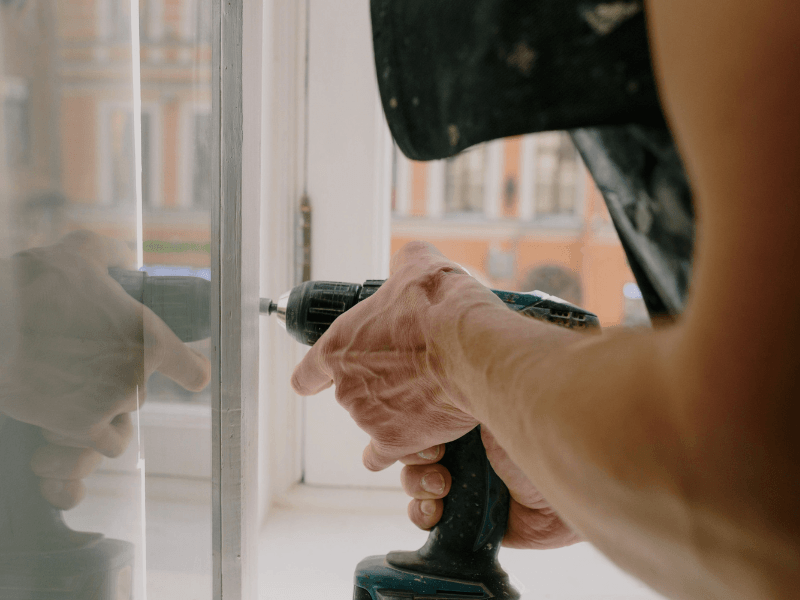
Fitting new towel rails, toilet roll holders and accessories. These need to be fixed securely with the right fixings for the tiled wall behind them. Drilling through tiles after they are laid requires a tile drill bit and careful technique to avoid cracking the tile.
Fitting a new bathroom cabinet or mirror. Positioned correctly and fixed securely with appropriate tile fixings.
Re-sealing the bath and shower enclosure. Even with new fittings the final sealant application needs to be done properly. I re-seal baths and shower trays as a standard finishing job after renovation.
Fitting new door hardware. A bathroom renovation is often a good moment to update the door handle, lock and hook on the bathroom door to match the new look.
Painting the bathroom door and frame. The bathroom door and frame are often overlooked in a renovation and can look dated against a fresh new bathroom interior.

How I Can Support a Bathroom Renovation in South Wales
I work as a pre and post renovation support tradesperson for bathroom projects across South Wales, handling the jobs that fall between the specialist trades without requiring a builder to manage the whole project.
My rate is £75 per hour with no VAT and no callout fee.
Frequently Asked Questions About Bathroom Renovation Preparation
Do you work alongside plumbers and tilers on bathroom renovations? Yes. I am happy to coordinate with other trades and handle the preparation and finishing work that sits around their involvement.
Can you assess my bathroom before I plan the renovation? Yes. A pre-renovation assessment visit to check wall and floor condition is a sensible first step before committing to a design and suite purchase.
Do you remove existing bathroom tiles? Tile removal is possible but it is labour intensive and the impact on the wall behind is unpredictable, particularly in older South Wales properties. I will always discuss the implications honestly before starting.
How long in advance should I book you for bathroom renovation support? As soon as you have a rough timeline for the main renovation work. Getting me booked for the preparation phase before the plumber arrives means the project runs more smoothly from the start.
Book Your Bathroom Renovation Preparation in South Wales Today
Planning a bathroom renovation in South Wales? Get in touch today and let me help you get the preparation right.
📞 Call or WhatsApp: 0739 151 2497 🌐 Get a Free Quote
Covering South Wales Monday to Friday, 9am to 5pm, with emergency work out of hours and at weekends by arrangement.